
Moisture Control That Protects Your Foundation
Crawl Space Encapsulation in Rutherfordton for homes with humidity issues, musty odors, or visible moisture in below-floor areas
Crawl spaces without proper moisture barriers allow ground humidity to rise into floor assemblies, creating conditions where mold colonizes wooden joists and insulation loses effectiveness. The service provided by Carolina Remodeling Solutions Inc installs vapor barriers, improves insulation performance, and seals crawl space vents to create a controlled environment that blocks moisture intrusion. This work addresses homes where seasonal humidity causes persistent dampness, floors feel cold during winter months, or air quality deteriorates from mold spores circulating through HVAC systems.
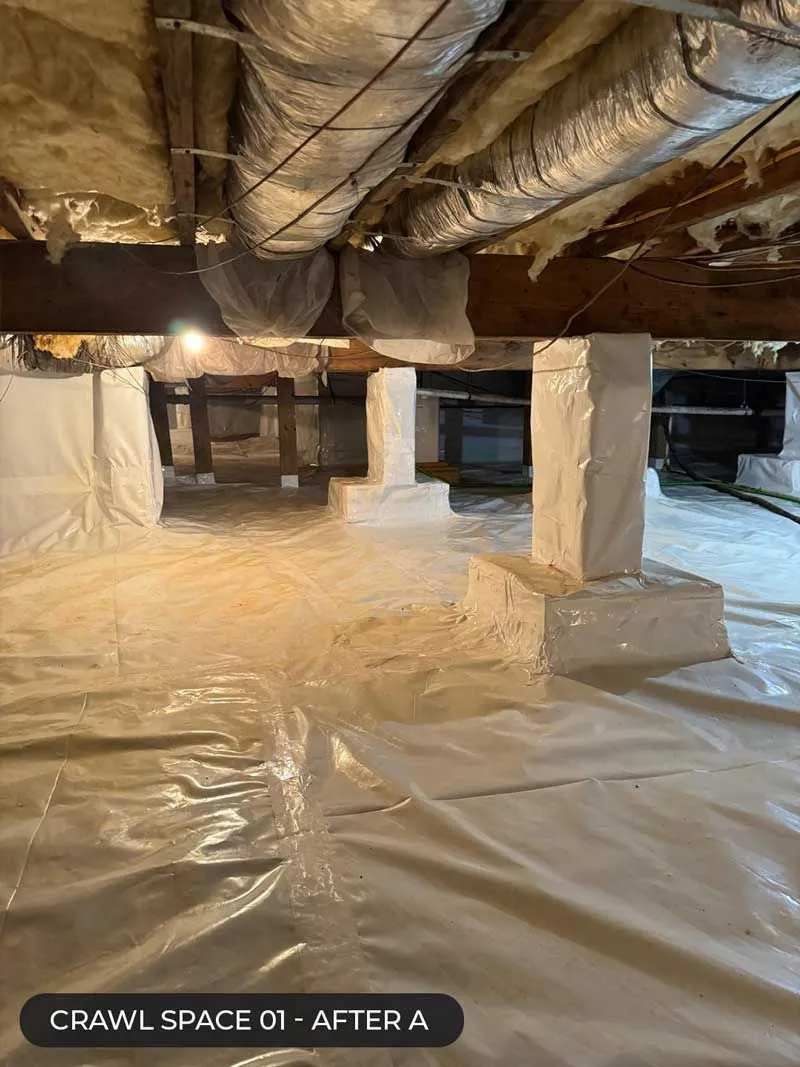
Encapsulation involves covering exposed soil with heavy-gauge vapor barriers sealed at seams and edges, insulating foundation walls instead of floor joists to keep the crawl space within the home's thermal envelope, and installing dehumidification equipment when passive moisture control proves insufficient. The approach treats the crawl space as conditioned space rather than an outdoor environment, which prevents the stack effect that pulls humid air upward into living areas.
Schedule a crawl space evaluation to identify moisture sources and determine appropriate encapsulation methods for your property in Rutherfordton, Greenville, Shelby, and surrounding areas.
What You Notice Once Encapsulation Is Finished
Properly encapsulated crawl spaces eliminate the cycle of moisture absorption and evaporation that damages floor framing and reduces indoor air quality. The crew installs vapor barriers that cover 100 percent of exposed soil, seals all seams with waterproof tape, and secures edges to foundation walls to prevent ground moisture from entering the space. In western North Carolina and upstate South Carolina, where seasonal rainfall and humidity remain high, this barrier system stops the constant moisture influx that untreated crawl spaces experience year-round.
After encapsulation, you'll notice floors that feel warmer during cold months as insulation performs effectively without moisture saturation, reduced energy costs as HVAC systems work less to control indoor humidity, and improved air quality without musty odors rising from below. The crawl space itself stays dry with no standing water or condensation on surfaces, and wooden floor joists remain structurally sound without rot or mold growth.
The work includes inspection of existing drainage systems to confirm water diverts away from the foundation before encapsulation begins, since vapor barriers trap moisture that enters from sources other than ground evaporation. Some installations require adding supply vents from the HVAC system to maintain air circulation and prevent stagnant conditions. Encapsulation doesn't eliminate existing mold but stops new growth by removing the moisture conditions mold requires.
Common Questions About This Service
Homeowners considering crawl space improvements typically ask about moisture control effectiveness, long-term benefits, and how encapsulation differs from traditional ventilation approaches used in older construction.
What causes moisture problems in crawl spaces?
Ground moisture evaporates into the crawl space continuously, outdoor air entering through vents adds humidity during warm months, and poor drainage around the foundation allows water to pool beneath the home.
How does encapsulation improve indoor air quality?
Sealing the crawl space prevents mold spores, moisture, and soil gases from rising into living areas through gaps in flooring, which reduces allergens and musty odors that affect respiratory comfort.
Why do older homes in Rutherfordton often have crawl space moisture issues?
Traditional construction included open vents intended to dry crawl spaces, but research shows ventilation actually introduces more moisture during humid months than it removes, creating persistent dampness problems.
What's included in a crawl space encapsulation project?
Installation includes vapor barrier coverage across all soil areas, sealing of foundation vents, insulation repositioning from floor joists to foundation walls, and addressing drainage issues that contribute moisture from outside sources.
When should I consider encapsulation instead of just adding a dehumidifier?
Dehumidifiers treat symptoms without blocking the moisture source, making them less effective and more expensive to operate long-term compared to encapsulation that prevents moisture entry at the ground level.
Carolina Remodeling Solutions Inc inspects crawl spaces to assess moisture levels, drainage conditions, and structural concerns before recommending encapsulation solutions. Request a consultation to review your crawl space conditions and discuss moisture control options that address regional humidity challenges specific to properties in this area.